
Supporting individuals in overcoming feelings of postnatal blues and depression
Pregnancy often brings with it expectations of joy and an immediate bond with our child. However, the reality of motherhood can sometimes be far different. Sleep-deprived days, a loss of control, and feelings of sadness can overshadow the initial excitement. While these feelings may pass with time for some, it is important to acknowledge and address them proactively.
At Be Charity Group, we are here to provide resources and support to help you navigate through this challenging period. It is essential to have open conversations about your emotions and seek assistance from available resources. Your GP, local health supplement shop, or mother and baby groups can be valuable sources of support. Many local churches also offer free or affordable groups to aid and connect mothers.
Remember, you are not alone in your experience, and there are resources and support networks available to empower you to find greater happiness and well-being. By reaching out, talking about your feelings, and utilizing the resources at hand, you can take proactive steps towards overcoming postnatal blues and depression.


Websites Offering Support:

PANDAS
aims to be the UK’s most recognised and trusted support service for families suffering prenatal/antenatal and postnatal illnesses.

Mums Aid
is a non-profit organisation providing free counselling for women experiencing mental or emotional difficulties during pregnancy or after having a baby. They are committed to removing the barriers which often prevent women seeking help by challenging the stigma that surrounds postnatal depression (pnd) and by raising awareness about the symptoms, impact and treatment.

Mothers for Mothers
is a group of mothers, most of who have suffered postnatal depression or distress after the birth of one or more of our babies. They offer support, advice, information and most of all a listening ear for any worries or concerns you may have. The website includes information for everyone plus there are support groups for those in Bath and surrounding areas.
Mind – Peer Support
is when people use their own experiences to help each other. Forms of peer support include:
- community groups
- mentoring
- befriending
- self-help groups
- online communities
- support groups
How you choose to meet up or connect with people is very flexible and depends on your personal preferences. Peer support can improve your emotional health, wellbeing and sense of belonging.

Best Beginnings
The Out of the Blue series were made as changes experienced during pregnancy, motherhood and fatherhood can be difficult – some people struggle with emotional issues as well as physical symptoms. These can vary from very mild to very serious.
Best Beginnings are keen that parents-to-be and new parents know that it is normal and OK to feel like this. You are not alone, and support is available if you are worried about yourself, your partner or a loved one.

APNI
provides support to mothers suffering from post-natal illness.
Books on this subject:
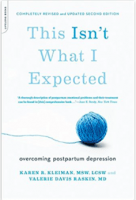
This Isn’t What I Expected [2nd edition]: Overcoming Postpartum Depression
“Will I ever feel like myself again?””Why am I so sad and irritable all of the time?””Will my wife ever be like she used to be?””Why didn’t anyone tell us to expect this?” If you or someone you love is among the one in seven women stricken by PPD, you know how hard it is to get real help. In this definitive guide, postpartum experts Karen Kleiman and Valerie Davis Raskin offer compassionate support and solid advice on dealing with every aspect of PPD. Their proven self-help program, which can be used alone or with a support group or therapist, will help you monitor each phase of illness, recognize when you need professional help, cope with daily life, and recover with new strength and confidence. Learn how to:Identify the symptoms of PPD and distinguish it from “baby blues”Deal with panic attacks, obsessive-compulsive urges, and stress overloadBreak the cycle of shame and negative thoughtsMobilize support from your husband or partner, family, and friendsSeek and evaluate treatment optionsCope with the disappointment and loss of self-esteem

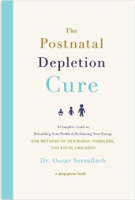
The Postnatal Depletion Cure: A Complete Guide to Rebuilding Your Health and Reclaiming Your Energy for Mothers of Newborns, Toddlers and Young Children
It’s all too common to hear new mums talk about ‘baby brain’ and extreme fatigue. But what if it wasn’t the physical toll of giving birth, breastfeeding or chasing a toddler that was sapping your strength? What it if was something deeper?
Dr. Oscar Serallach has spent his medical career witnessing women fail hormonally, nutritionally and emotionally to get back on their feet after having a baby. The true cause? A syndrome he calls postnatal depletion.
This book offers a practical programme to help mothers replenish their bodies after having a baby. It includes a comprehensive guide to the nutrients women need to enhance organ function and balance hormones, along with advice on how to maintain a healthy diet and exercise routine and get necessary rest, despite the demands of motherhood. Filled with prescriptive takeaways and many success stories, this book aims to help mothers be the best they can be physically and emotionally.


Reasons to Stay Alive
WHAT DOES IT MEAN TO FEEL TRULY ALIVE?
Aged 24, Matt Haig’s world caved in. He could see no way to go on living. This is the true story of how he came through crisis, triumphed over an illness that almost destroyed him and learned to live again.
A moving, funny and joyous exploration of how to live better, love better and feel more alive, Reasons to Stay Alive is more than a memoir. It is a book about making the most of your time on earth.
“I wrote this book because the oldest clichés remain the truest. Time heals. The bottom of the valley never provides the clearest view. The tunnel does have light at the end of it, even if we haven’t been able to see it… Words, just sometimes, really can set you free.”

Videos on this subject:
Sorry, we couldn't find any posts. Please try a different search.