
Empowering individuals to address feelings of loneliness
Loneliness is an emotion experienced by all of us, irrespective of whether we have people around or enjoy our own company. It can occur even when we're content being alone at times. For those who thrive on the company of others, the absence of companionship may trigger frequent bouts of loneliness. While some may find solace by reaching out to loved ones or arranging meetups, others may struggle with overcoming loneliness.
The truth is, many of us experience loneliness, but we don't have to let it consume us. Numerous opportunities exist to connect with others, whether through shared hobbies, community involvement, or fostering friendships with neighbors. It's essential to recognise that there are others seeking companionship as well. Loneliness is a growing problem in our society, as community connections become less prevalent. However, by acknowledging and understanding this feeling, we can take the next empowering steps to make changes in our lives and combat loneliness.
Even if you find yourself housebound, there are still ample ways to transform loneliness into a sense of fulfillment by reaching out to others or exploring new hobbies. Discover the resources below to empower yourself in dealing with feelings of loneliness. You're not alone in this journey, and there are pathways to connect and find fulfillment in your life.


Websites Offering Support:

Reengage

Nextdoor
Nextdoor is the neighbourhood hub where neighbours work together to build stronger, safer, happier communities, all over the world.

Meetup
Join a local group to meet people, try something new, or do more of what you love.
For the health and safety of Meetup communities, they’re advising that all events be hosted online during the Covid-19 Pandemic.

Hands On London
If you want to meet some new people whilst doing charity work, there are organisations such as Hands On London. It partners with local charities, community organisations, schools, parks and gardens. They provide high-quality projects and volunteer support, creating opportunities for people to give their time.

Elefriends
is a safe place to listen, share and be heard. We all can struggle, so Elefriends provides a supportive online community where you can be yourself.

Campaign to End Loneliness
Feeling lonely is a normal human emotion and is simply a sign of wanting contact with people. It can often happen because of external circumstances, such as loss of a loved one.

Age UK
provides companionship, advice and support for older people who need it most.
There is a section dedicated to combating loneliness and lots of other sections offering help and advice on a broad range of topics related to older people.
Books on this subject:

Together: Loneliness, Health and What Happens When We Find Connection
The world seems more connected than ever, and yet loneliness is at epidemic levels. But what effect is it having on us, and how can we treat it – even at a distance?
When Obama appointed him Surgeon General of the United States, Dr Vivek Murthy observed the growing health crisis of isolation first-hand. In this ground-breaking book, he traces the roots of the problem, and shows how loneliness lies behind some of our greatest personal and social challenges, from anxiety and depression to addiction and violence. But he also reveals the cure. His search led him to talk to doctors, scientists, parents and community members around the world. The solutions are deceptively simple and easily applicable – and the effects are transformative. And one thing is clear: real human connection is a medical necessity if we want to stay healthy, emotionally and physically. We can all create it, and benefit from it, and it is more urgent than ever that we start now.

How to Be Alone: If You Want To, and Even If You Don’t
How to Be Alone is a must-read for anyone whose childhood still feels unresolved, who spends more time pretending to have friends online than feeling close to anyone in real life, who tries to have genuine, deep conversations in a roomful of people who would rather you not. Above all, it’s a book for anyone who desperately wants to feel less alone and a little more connected through reading her words.
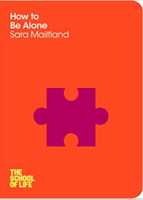
How to Be Alone
Our fast-paced society does not approve of solitude; being alone is literally anti-social and some even find it sinister. Why is this so when autonomy, personal freedom and individualism are more highly prized than ever before? Sara Maitland answers this question by exploring changing attitudes throughout history. Offering experiments and strategies for overturning our fear of solitude, she helps us to practise it without anxiety and encourages us to see the benefits of spending time by ourselves. By indulging in the experience of being alone, we can be inspired to find our own rewards and ultimately lead more enriched, fuller lives.

Braving the Wilderness: The Quest for True Belonging and the Courage to Stand Alone
We are in a time when we are experiencing greater levels of disconnection. Braving the Wilderness looks at how to cultivate true belonging. It shows how true belonging can be found in our communities, organizations, and culture.
“True belonging doesn’t require us to change who we are. It requires us to be who we are.” Social scientist Brené Brown, PhD, LMSW, explores experiences that bring meaning to our lives. For instance, experiences of courage, vulnerability, love, belonging, shame, and empathy.

About the Art of Being Alone
Do you constantly need people to be around you to feel fulfilled and satisfied? Do you feel empty when you have no one who is with you? Do you look for partners and lovers to feel loved, wanted and “enough” although they later turn out to be the wrong choice? Are you constantly waiting for partners who don’t love you as much as you love them, hoping that they will be ready for a committed relationship one day? Then you might attract them unconsciously because deep down you are afraid of being alone. This book is dedicated to all those who want to understand their fear of being alone and their loneliness and transform it into self-love. The author Janett Menzel takes the reader along on a journey of discovery: what type you are, where the fear and depressive emotions come from, what they want to say to you and how you can overcome them with self-recognition. However, instead of fighting it, she suggests examining it carefully, understanding the emptiness and lesson, and, finally, transforming it.With over 70 strategies and reinventions of your own character and life, the author helps the readers to expose and decouple old belief systems, recognize dependencies, and resolve blockades.