
Am I a Bully?
Our Mission: To empower you to consider your behaviour and learn methods to control bullying temptations.
Being a bully may not be a decision that you make consciously. However, it's important for all of us to think about how we treat others. How we feel about ourselves can have a big impact on how we behave in general.
Our words, whether spoken, in texts, or in emails can have a powerful effect on others. Our actions, either taken directly or behind someone's back, can have lasting impacts on their lives.
With one comment, you can either brighten someone's day or cause an upset that will last for years. So we all need to be conscious of the impact of our words and actions.
Bullies find it hard to ask for help to change. But there is help out there to stop the destructive cycle of bullying. Stopping doesn't mean getting into trouble. Far from it. Admitting that you have a problem will open up the floodgates of support.
This is something that other bullies won’t tell you about, because they don’t want you to get help. Sometimes the source of your bullying tendencies can be closer than you think: A parent, a sibling, a coach, or a teacher. You may be imitating their bad behaviour because you think it makes you more powerful and more in control. They may even reward your bullying, perpetuating a vicious cycle.
Your first call should always be to an anti-bullying support group. They’ll help you to identify who you can safely go to within your circle of family and friends in order to ask for support. Between these help lines and key supportive people who you trust, you can moderate your bullying behaviour - you just need to ask.
Contact ChildLine if you need help to stop being a bully, or if you yourself are being bullied and need advice:
Call them at 0800 1111. Calls before midnight are for as long as you need. Calls after midnight are shorter, to quickly help you get some peaceful sleep so that you can call them back when your mind is calm and refreshed.
Or use their website at https://www.childline.org.uk/get-support/contacting-childline/
Cyberbullying? Are you part of the problem or part of the solution?
The name ‘cyberbully’ doesn’t only apply to the person who originally sent the message. It also includes those people who get involved by supporting it, by forwarding it on, or laughing at comments that might be hurtful or threatening.
This is such an important matter these days that cyberbullying can be a criminal offence. Legal action would apply if, for example, the messages are threatening.
It's best to stay well clear of messages you see that are hurtful or threatening. Better still, if you see your circle of friends participating, show leadership and suggest that they stop.
Cyberbullying has led to many incidents of suicide - whilst texts and social media can be great fun, that's something you don't want on your conscience.
What starts in the playground will often carry on in adult life too. This is particularly so in the workplace. Bad behaviour early in life tends to become a habit later on.
In the UK, the Advisory, Conciliation and Arbitration Service (Acas) reported having received 20,000 calls from workers related to bullying and harassment in 2016. Globally it is becoming an epidemic that needs to be addressed quickly.
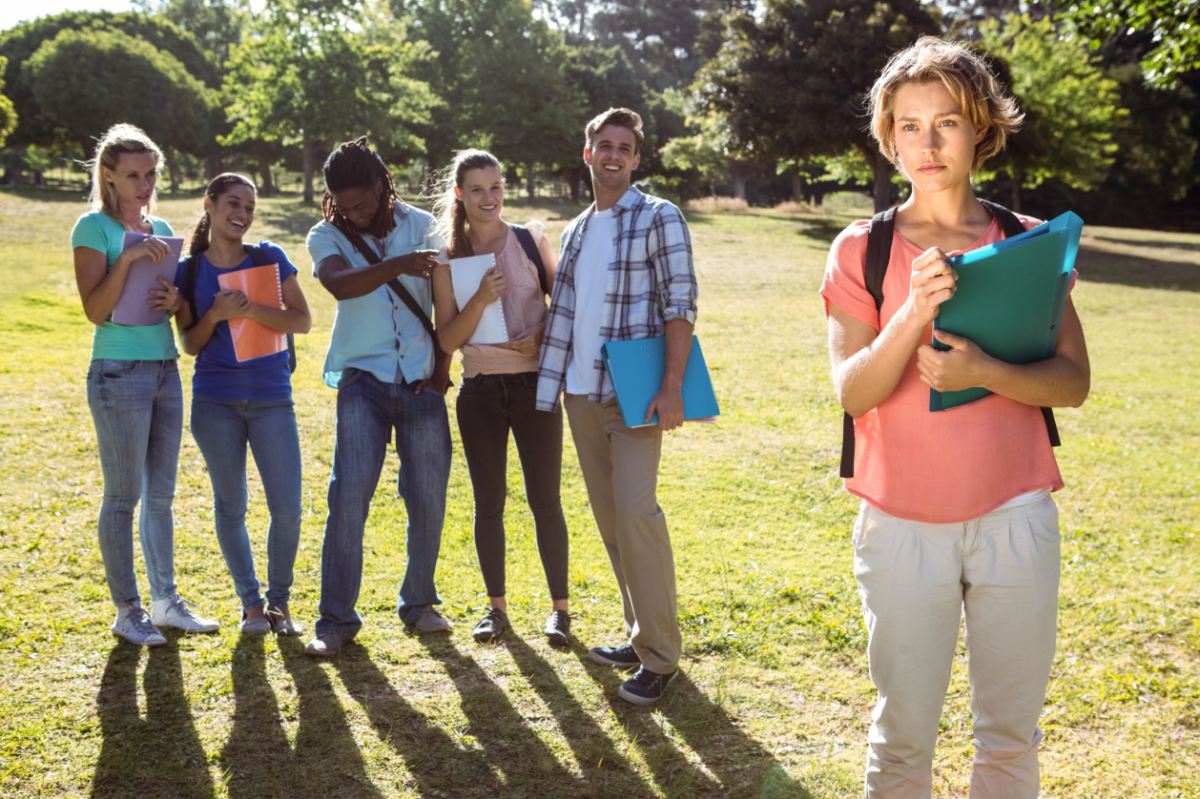


Am I a bully? How do I stop being a bully?
Treat everyone with respect: Imagine if it was about you - how would you want to be treated?
Nobody should be mean to others. There's nothing to gain by acting superior to someone else. Your candle does not burn any brighter because you snub out someone else's.
Stop and think before you say or post something that could hurt someone. Just pause for a second before you press the publish or send button. Are you belittling them in an attempt to make yourself look more important?
If you feel like being mean to someone, find something else to do instead. There are better ways to get your kicks. Play a game, watch TV, or talk to a friend. Be constructive and positive, you’ll accomplish a lot more in life.
Talk to an adult you trust for guidance. They can help you find ways to be nicer to others.
Keep in mind that everyone is different. They are not better or worse than you. They are just different. If we’ve learned anything from human history, the people who are bullying others today could turn around and bully you tomorrow. Remember, what goes round comes round.
If you think you have bullied someone in the past, say you’re sorry. Have the honesty and guts to go up to them and apologise. Ask them to pass on that apology to anyone in their family who might have been upset by your behaviour. Everyone feels better.
Understand that your bullying can do permanent damage. Never forget that you will probably forget your stupid text or tweet the next day. The victim may carry it with them for years.
Why am I always an easy target for bullies?
That's an interesting question. It suggests that some people encourage being bullied more than others. But that’s only sometimes the case.
If a bully is picking on you because of who you are - your body, your race, your gender, your sexuality, and the like - then they are entirely the problem.
If you’re being picked on because of things you do, you might be able to modify your behaviour to present less of a target. Below are some very useful links that will help you in this area.
Websites Offering Support:

BBC Newsround
has an interactive guide to help you explore what bullying is: Am I a bully?
ChildLine
can give you help if you’re worried about being judged and don’t want to speak to anyone you know. ChildLine advisers will listen to any child whatever the problem and give advice, and will do it anonymously if you want.

Faithit.com
The blogger Faithit.com covers a number of topics on bullies, including this one from a mother’s perspective to hearing that her child is rejecting another and how they go about dealing with it.

Quiz: Are you bullying?
Many girls bully other people in school and other places. Some people may not realise that what they’re doing is bullying. Ask yourself if you have ever repeatedly hurt someone because they were younger, weaker, or less confident than you. Could you be bullying? Take this quiz on Girls Health to find out.

TeensHealth.org
Find the answer to this questions such as “School’s starting soon. Last year I bullied this boy. (I’m a girl.) I attacked him even though he’s stronger because I knew he wouldn’t hit a girl. I insulted him. I humiliated him every chance I got. I want to start over. I want to apologize but I don’t know how. I feel awful for doing this. He doesn’t trust me. How do I show him I changed?”
Books on this subject:

Bullies, Cyberbullies and Frenemies
Friendships and peer relationships are one of the most difficult things about being a teen. Many face bullying of some kind or another, whether in person or on the Internet or social media. Written by Kidscape founder Michele Elliott, Teen Life Confidential: Bullies, Cyberbullies and Frenemies is a friendly, kind and practical guide to navigating these tricky relationships, and beating the bullies. Are there practical things you can do to stop being bullied – at home, at school and online? What are frenemies and how can you deal with them? How can you learn to make friends and respect yourself? If you’re a bully, how can you change your behaviour? This brilliant book will tell you what bullying is, where it happens and what you can do about it, as well as how to assert yourself and develop your self-esteem. Advice is supported by quotes from teenagers, who share their own experiences, and will help to make readers feel they’re not alone.

Have You Filled a Bucket Today?
encourages positive behaviour by using the concrete concept of an ‘invisible bucket’ that holds your good thoughts and feelings. When you do something kind, you fill someone’s bucket; when you do something mean, you dip into someone’s bucket and remove some good thoughts and feelings. This book focuses on how our social interactions positively or negatively affect others and encourages all to be kind.

Liking Myself
gives children age 5 to 10 tools for developing self-awareness, managing emotions, and letting go of negativity. They learn to understand, listen to and talk about their feelings. They learn to handle themselves when they feel upset or overwhelmed. Reading this book with their parents can open new channels of communication and deepen trust.
This charmingly illustrated and hand-lettered book is loaded with ideas and exercises to improve self-esteem and well-being. It builds self-confidence, responsible behaviour and a strong sense of self.

The Mouse, the Monster and Me: Assertiveness for Young People
teaches healthy, non – violent conflict management skills that help kids stop being – or attracting – bullies. When youngsters learn how to assert themselves appropriately, they gain self – esteem and safer, happier relationships.